
Grease Trap Installation & Maintenance
A grease trap only works if it's sized right and actually maintained. Most of the failures we get called to are the second problem, not the first.
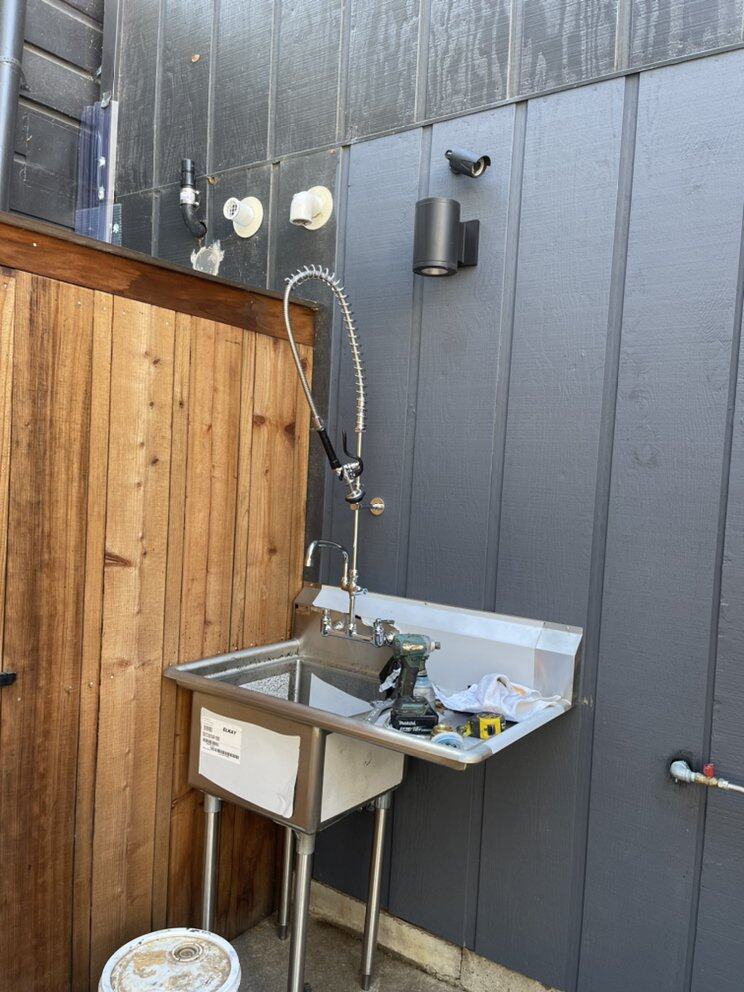
Food service properties are generally required to intercept fats, oils, and grease before they reach the sewer. That means either an under-sink grease trap or a larger in-ground interceptor, sized to the kitchen's flow and installed to local requirements.
We install both and we service both. What we won't do is pretend the maintenance interval is optional. A trap that's past capacity stops intercepting and starts passing grease straight through, which is how a kitchen ends up with a blocked lateral and a conversation with an inspector. Two honest boundaries: pumping and hauling the waste is done by a licensed liquid waste hauler, not by us, and your specific sizing and inspection requirements come from your local authority — we build to them, but confirm your obligations with them directly, since these vary and do change.
When this is likely your problem
What's included — and what isn't
In the quoted price
- Assessment of kitchen fixtures and flow to determine required capacity
- Installation of an under-sink trap or in-ground interceptor
- Connection of kitchen fixtures to the interceptor
- Inspection of an existing trap's condition and capacity
- A written maintenance interval based on your actual usage
Quoted separately
- Pumping and hauling of grease waste, which is done by a licensed liquid waste hauler
- The trap or interceptor unit itself
- Permits, plan review, and health department fees
- Concrete cutting and replacement for an in-ground interceptor
- Repair of a lateral already blocked by grease, which is a separate drain job
- Ongoing scheduled pumping contracts
How this job gets priced
Installation is quoted from the kitchen's fixture count and required capacity, plus whatever the site demands — an under-sink unit and a buried interceptor under a parking area are very different jobs. Inspection and assessment of an existing trap is a flat visit charge quoted when you book.
What the work involves
Count the fixtures
Required capacity comes from what the kitchen actually runs, not from a guess or the last operator's setup.
Confirm local requirements
Sizing and installation rules come from your authority. We build to them and tell you what they'll want to see.
Install and connect
Trap or interceptor set, fixtures tied in, and the system left ready for inspection.
Set a real interval
You get a maintenance schedule based on your volume, plus what happens if it slips.
Questions about grease trap installation & maintenance
How often does a grease trap need to be pumped?
It depends on the trap's capacity and how much grease your kitchen produces, and many jurisdictions set a maximum interval or a fill-percentage threshold. A busy fryer-heavy kitchen with a small under-sink unit may need service very frequently; a properly sized in-ground interceptor far less often. We'll give you an interval based on your actual volume, and you should confirm any regulated maximum with your local authority.
Do you pump the trap yourselves?
No. Pumping and transporting grease waste requires a licensed liquid waste hauler, which is a different license from plumbing. We install, inspect, and service the plumbing side, and we can point you toward haulers other customers use.
What size trap do I need?
It's calculated from your fixtures and flow rather than picked off a shelf, and local requirements often dictate the method. We'll do the calculation with you. Be cautious of anyone quoting a size before asking what's in your kitchen.
Can I use enzyme or bacteria additives instead of pumping?
Additives may help with odor and minor buildup, but they don't remove accumulated grease from the trap, and some jurisdictions specifically prohibit relying on them in place of pumping. Treat them as a supplement at best, never as a substitute for service.
Ready to find out what's going on?
Call and describe the symptoms. You'll get an honest read before anyone drives out.