
Sewer Cleanout Installation & Access
A cleanout is the least glamorous thing we install and one of the most useful. Without one, every future service call starts at a disadvantage.
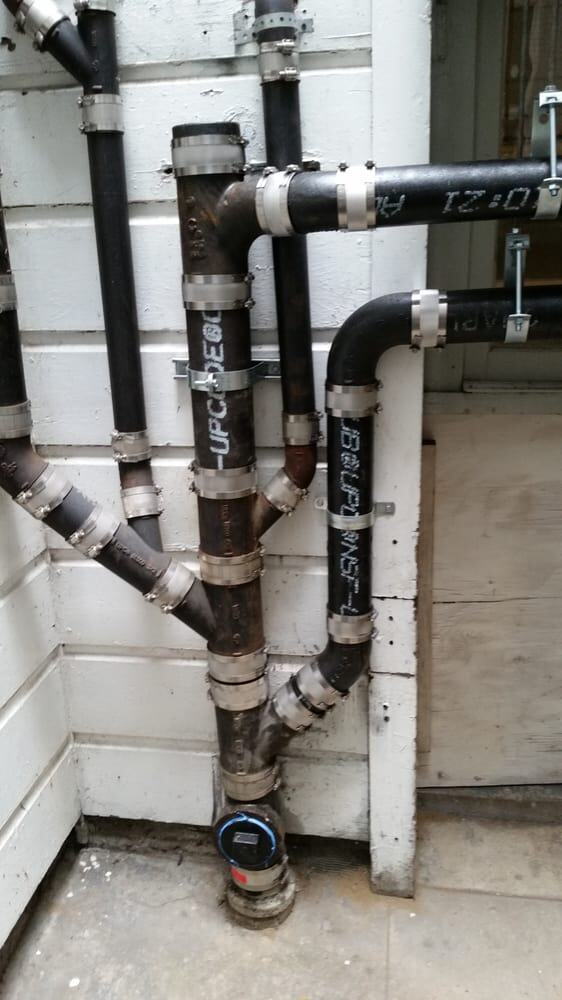
A cleanout is a capped access point into your main sewer line. With one, a technician runs a cable or camera straight into the line in minutes. Without one, access usually means pulling a toilet or working down a roof vent — slower, more invasive, and more expensive every single time.
Plenty of older San Antonio homes were built without one, or had one that's since been paved over, buried under a flowerbed, or lost entirely. If you've had a plumber tell you they couldn't camera your line, this is almost always why. It's a small job that quietly reduces the cost of every sewer service call you'll ever have.
When this is likely your problem
What's included — and what isn't
In the quoted price
- Locating the main line's path and depth before excavating
- Excavation at the chosen access point
- Installation of the cleanout tee, riser, and cap
- Backfill and rough grading at the excavation
- A camera or cable test through the new cleanout to confirm it works
Quoted separately
- Landscaping restoration — sod, plants, irrigation lines, decorative rock
- Concrete, paver, or driveway cutting and replacement where the line runs beneath
- Permits and inspection fees where local code requires them
- Repair of line damage discovered during excavation
- Additional cleanouts beyond the one quoted, if the property needs more than one
How this job gets priced
Cleanout installation is quoted after we've located the line, because depth and what's above it drive the cost far more than the parts do. A shallow line under open lawn is a straightforward job; one running four feet down under a driveway is a different conversation. We'll tell you which you have before quoting.
Related services
What the work involves
Locate the line
We trace the main line's route and depth from the surface so the dig happens in the right place, once.
Pick the access point
Somewhere useful for future service and least disruptive to what's on the surface.
Excavate and install
Tee, riser, and cap installed at a workable height with the line kept in service.
Test and backfill
We run a cable or camera through it to confirm access, then backfill and rough-grade.
Questions about sewer cleanout installation & access
Do I really need a cleanout if I've never had a problem?
If you've never had a backup and your line is relatively young, it isn't urgent. It becomes worth doing when you're already paying for sewer service, when a camera inspection is recommended and there's no access, or when a property's age means a first backup is a matter of when. Installing one during a job you're already having done is far cheaper than as its own call-out.
Where should the cleanout go?
Generally outside, near where the line leaves the house, at a spot that's reachable and won't be paved over later. We'll walk it with you — a cleanout in an awkward spot solves the technical problem while creating a practical one.
Will installing one damage my yard?
There's an excavation involved, so some disruption is unavoidable. We keep it as small as the job allows and backfill and rough-grade afterward. Replacing sod, plants, or hardscape isn't included, so if the access point falls in a planted bed it's worth talking about placement first.
My cleanout cap is stuck or broken. Is that a big job?
Usually not. A seized or broken cap can often be cut out and replaced without touching the riser. Occasionally a corroded or damaged riser has to be replaced too, which is a somewhat larger job — we'll know once we see it.
Ready to find out what's going on?
Call and describe the symptoms. You'll get an honest read before anyone drives out.